Hi! I'm Koger.
I am a software engineer who recently graduated from the University of Texas at Austin, where I majored in Electrical and Computer engineering with a focus on software, DSP, and data science. I am potentially interested in working with machine learning and computer vision in the future. In my free time I like to play with web development and embedded systems projects - Check out some of them below!
I am currently looking to work full-time.
Resume
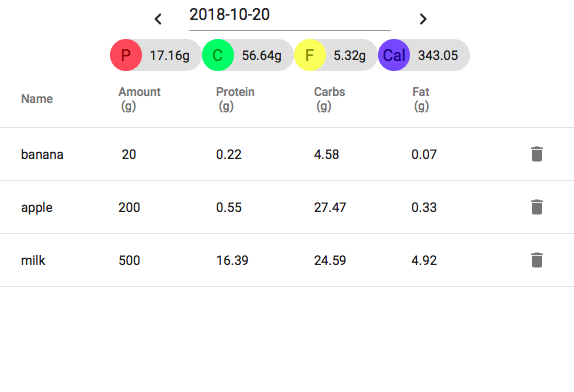
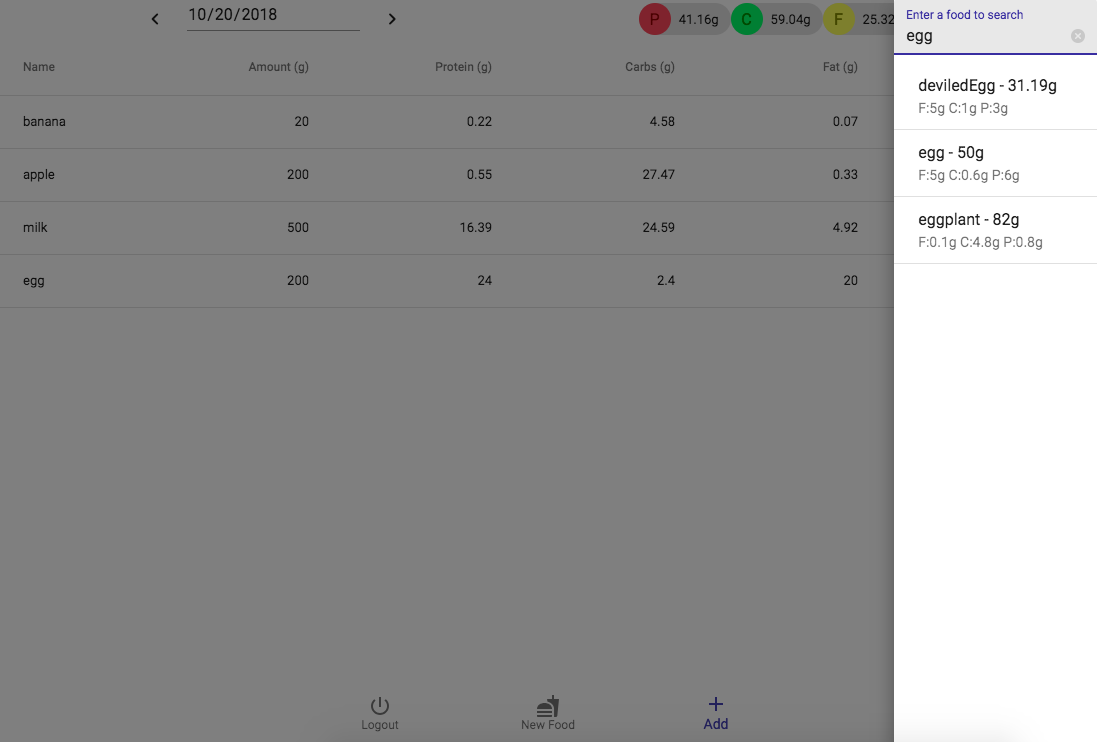
Macronutrition tracking app made using React, Node, and MySQL.
This was initially just a project to get some practice with SQL, but it ended up being a really good option to make something with React due to it being a dynamic data-driven single page application. The front-end was made using React.js and Google's Material design styling, which connects to a backend API made using Node.js that handles user validation and database interactions.
View code Check it out
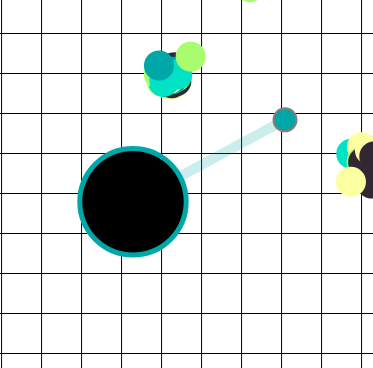
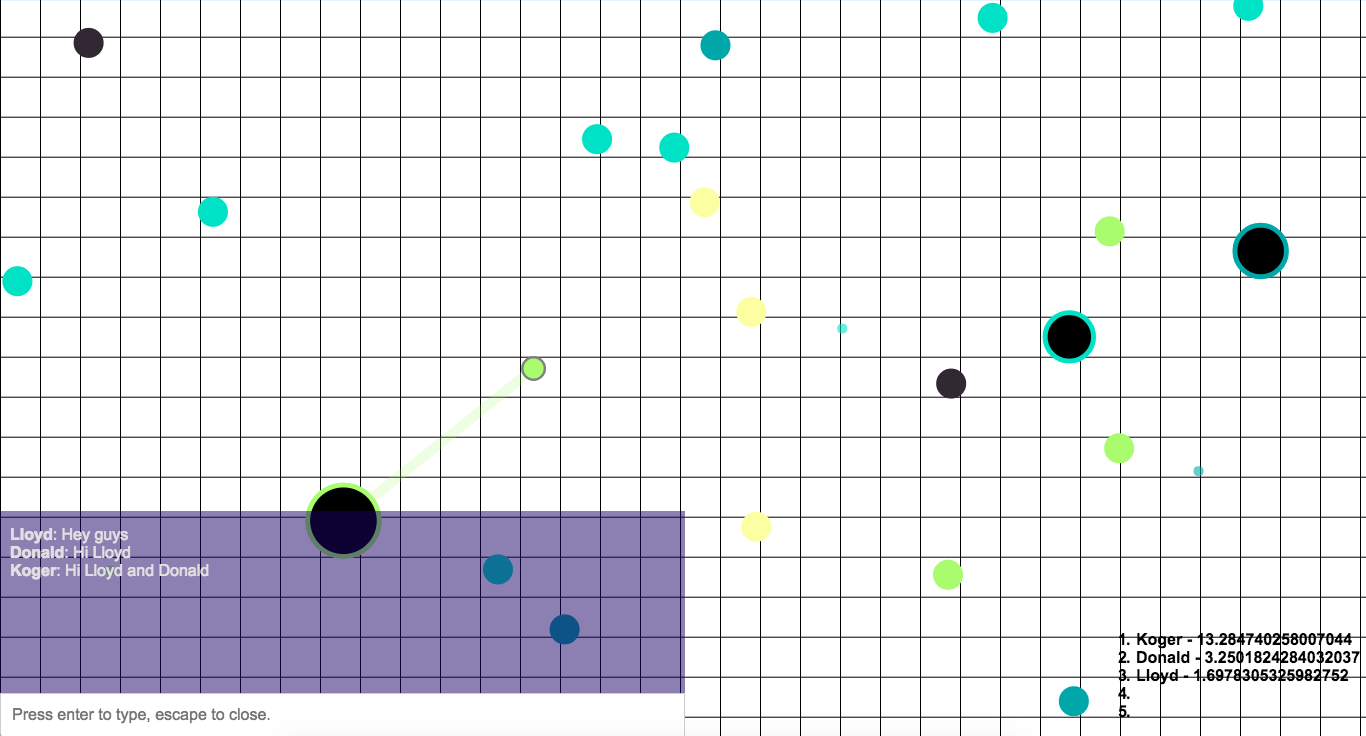
Online multiplayer game implementing 2D gravity physics created with html canvas, javascript, and node.js.
This is an online multiplayer "io" game implementing 2D gravity physics created with html canvas, javascript, and node.js. The networking is handled using a binary messaging protocol built on top of WebSockets. This is a work in progress, so future game logic optimizations and added features like mobile support will hopefully improve the game.
View code Check it out
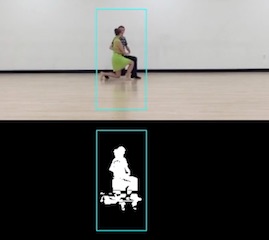
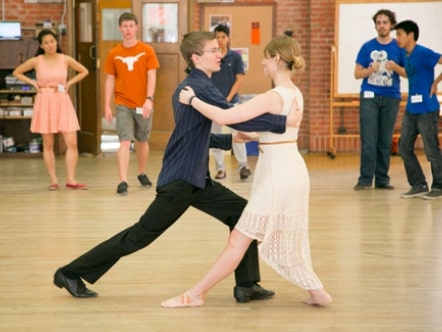
Motion tracking and video extraction from a still camera frame.
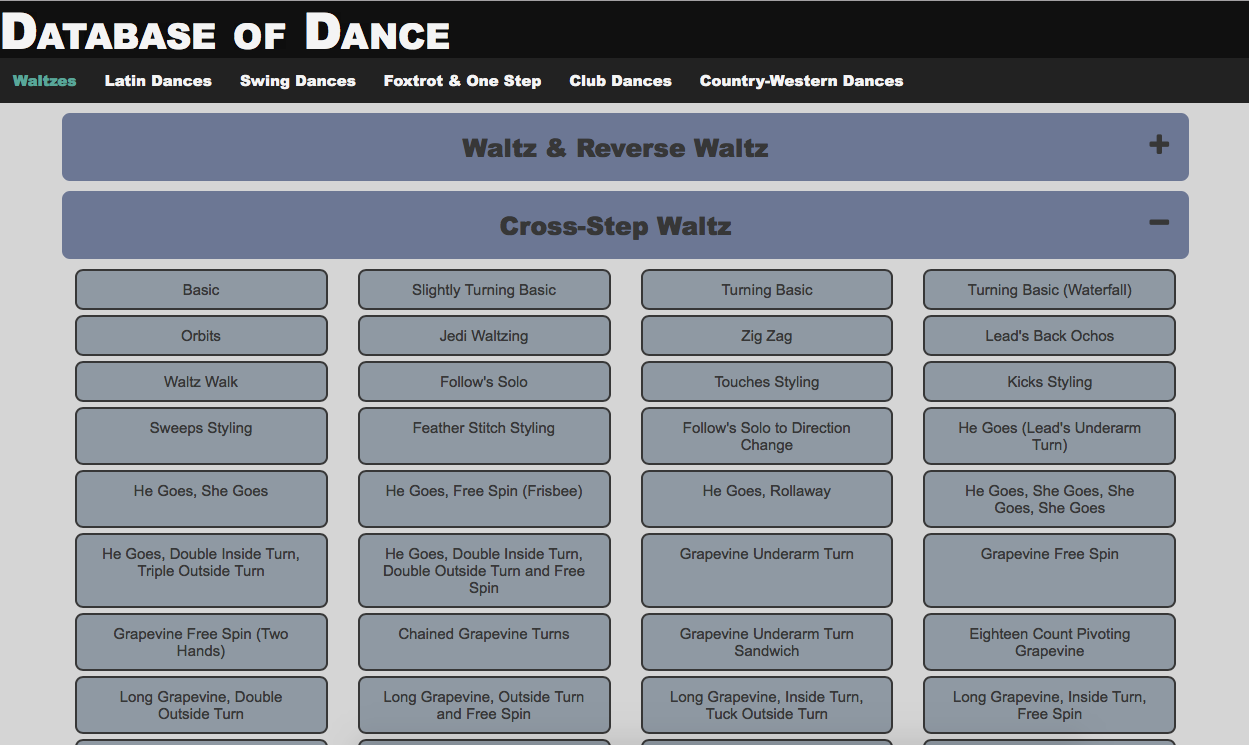
Accessible database of dance videos made using flask and compiled python based webscraping.
This project was something a friend and I started at a hackathon and then continued to work on until it was more presentable. The idea was to collect a bunch of youtube videos linked from libraryofdance.org and make them easily accessible from a single interface. Beautiful Soup was used to scrape the data from the original website which was organized in a .csv file. Then, with the aid of a python library called youtube_dl, all of these videos were downloaded and downsampled to a lower resolution inorder to reduce loadtime. We then used flask to dynamically populate html templates according to our .csv database and create the website for us. The current live version was deployed using gunicorn and an nginx webserver.
View code Check it out
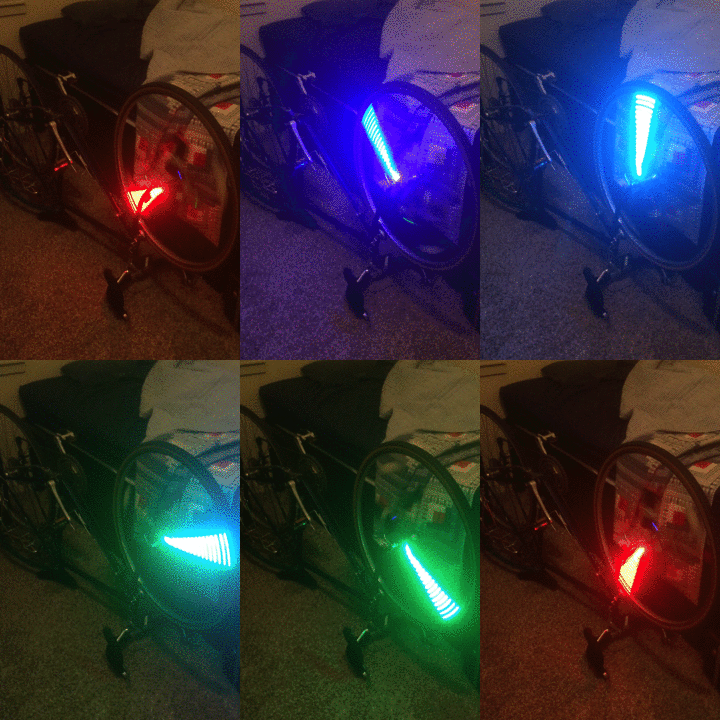
Device that produces images on a bike wheel using rotating LEDs.
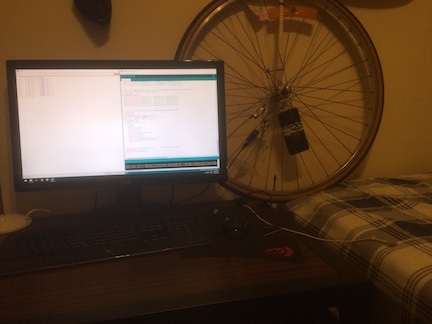
This project uses Matlab, an Arduino, and some individually addressable RGB LEDs (WS2812B) mounted to a bike wheel. Matlab is used to convert various images to arrays of color-averaged radial and transverse components, which are then manually loaded onto an arduino. The RPMs are calculated using a magnetic switch on the wheel. The position of the LED strip is approximated using this tempo, and the corresponding color for each LED is then selected from the array.
View code
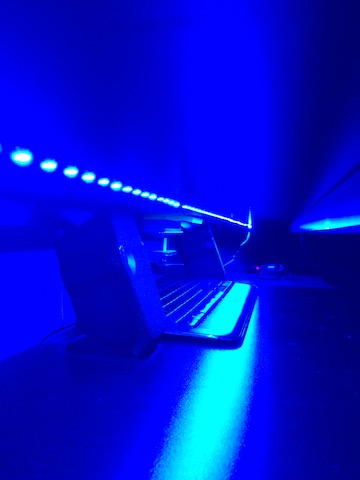
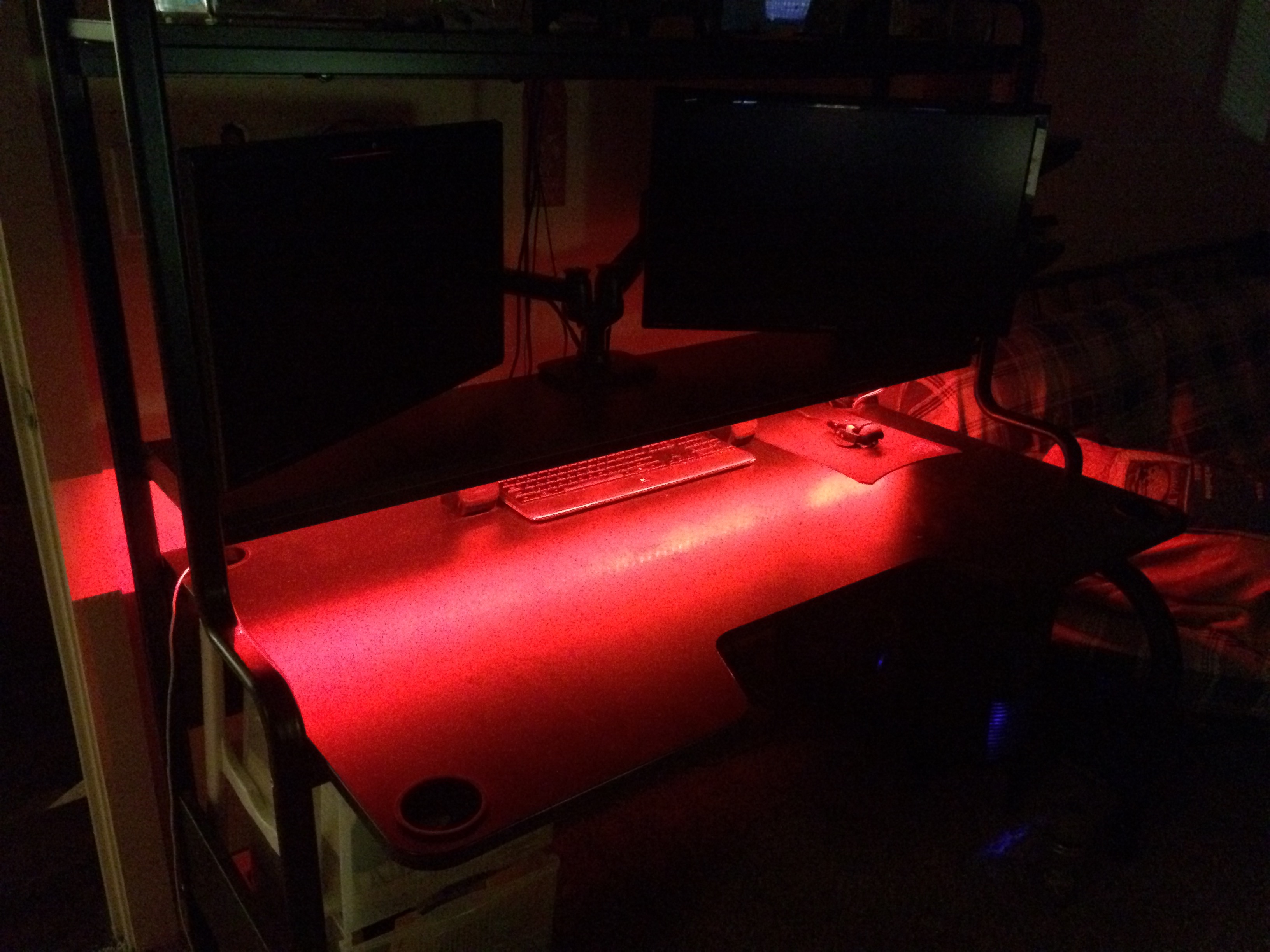
Control my desk lights anytime, anywhere.
This project uses PHP, Javascript, HTML, and an Arduino. HTML/JS is used for the user interface, and PHP is used to read and write color values to a server-side .txt file. A program running on my computer polls this .txt file, sends the value to an arduino via USB serial connection, which then controls the led strip through a digital I/O pin using the Adafruit NeoPixel library.
View code Check it out
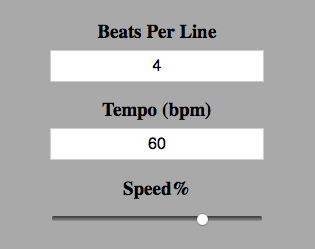
Hands-free solution for reading large blocks of text on small screens.
A hands-free solution for reading large blocks of text on small screens. Uses CSS, HTML, javascript and just a wee bit of JQuery.
View code Check it out